
ABOUT
Anatolivar: Empowering Olive Producer Communities in Anatolia Project
- Project Executive: Proje Evi Cooperative
- Project Partners: National Olive and Olive Oil Council (UZZK), Slow Food
- Project Supporter: European Union
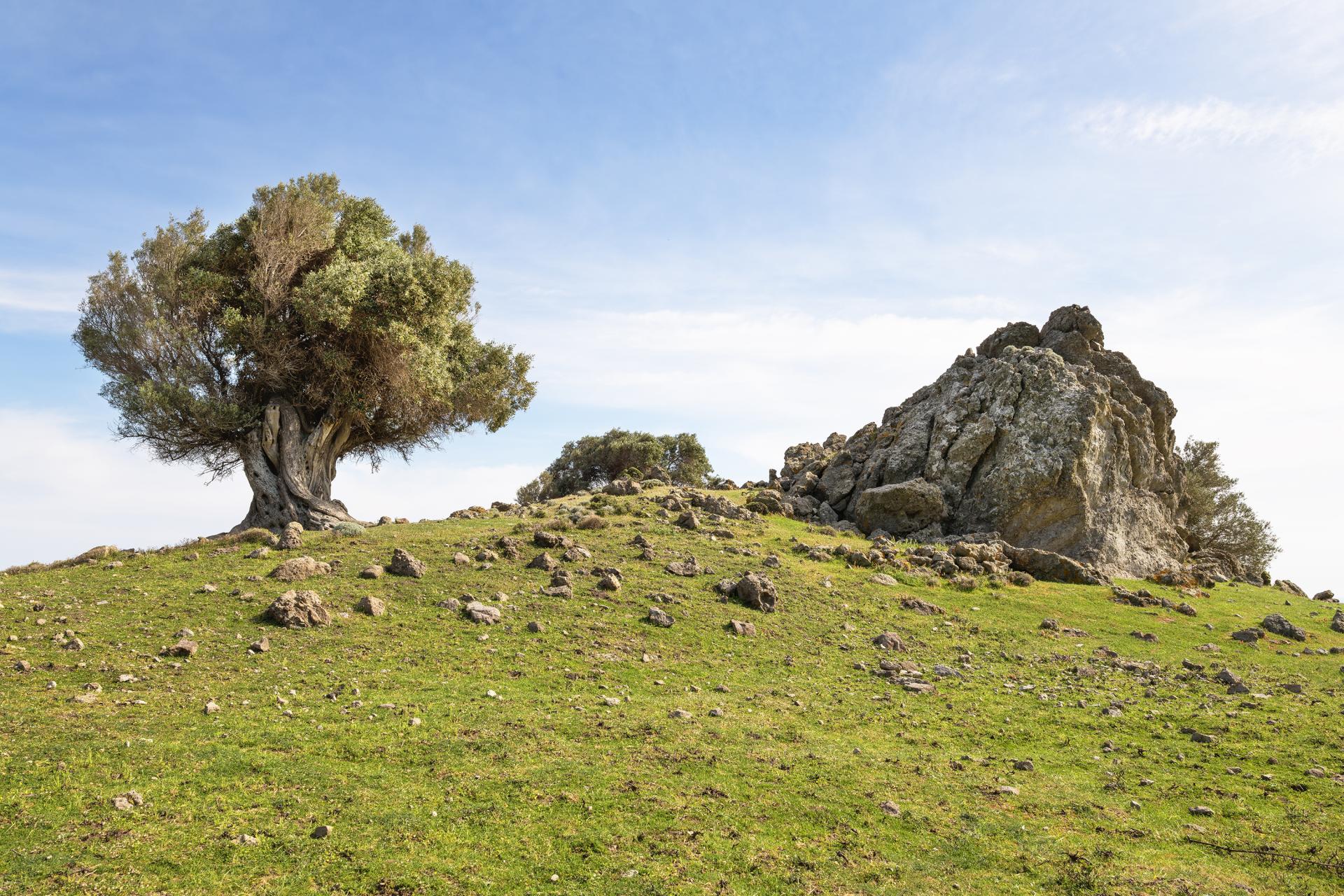
The olive tree is perhaps the first of the civilization-building trees. Cultivated in these lands for over 3,000 years, it currently forms the livelihood economy for approximately 400,000 families with more than 100 registered varieties. Türkiye's biogeographical features, climate, and soil conditions have given rise over centuries to local olive varieties, each possessing unique characteristics in terms of taste, aroma, and nutritional value.
Today, olive farming—which appears to be moving further away from its true value—unfortunately contributes far less to the country's economic development than it deserves. In addition to human-induced threats, factors such as extreme weather events driven by global climate change, sudden temperature fluctuations, water stress, and the severe onset of diseases make vast olive groves and producer communities increasingly vulnerable with each passing day.
The European Green Deal, which forms one of the main focuses of our project—officially titled "Developing the Capacity of Olive Producer Communities in Türkiye Towards Achieving the Targets of the European Green Deal"—consists of an interconnected set of goals aimed at achieving a sustainable, carbon-neutral, and resource-efficient economy for the European Union, encompassing nearly all segments of society. With "sustainable agriculture" as one of its key focus areas, the Green Deal offers a significant opportunity to overcome climate-driven challenges in the olive sector.
Our Objective
At the end of our 3-year project, we aim to spread sustainable and climate-friendly agricultural practices and production in the olive and olive oil sector, promote policies related to the European Green Deal’s targets for "sustainable agriculture," "sustainable production and consumption," and "climate action," and thereby take steps toward protecting olive groves that are becoming increasingly vulnerable due to human threats and climate change.
Through our activities, we aim to:
- Increase awareness and knowledge among relevant producer and consumer CSOs, businesses, producers, and individuals on all these topics.
- Support small-scale olive producers in transitioning to sustainable agricultural practices, improving market access, and enhancing livelihoods.
- Strengthen collaborations and networks among CSOs, olive producers, and relevant state institutions.
Our Work Area
The target region of our project comprises the Marmara, Northern Aegean, Central Aegean, Southern Aegean, Mediterranean, and Southeastern Anatolia regions, where olive farming is intensively practiced in Türkiye.
People and Institutions We Work With
- Non-governmental organizations, producer networks, unions, and cooperatives in the olive and olive oil sector.
- Food-sector active CSOs such as olive and olive oil producer/consumer communities, Slow Food communities, local consumer cooperatives, and associations.
- Small and medium-scale olive and olive oil producers.
- Individuals, food activists, and "prosumers" working to support sustainable agriculture and olive producer communities.
- Relevant public institutions, their affiliates and local branches, research institutions, academics, and regional development agencies.
- Governorships, local governments, village heads (muhtars), chambers of agriculture, chambers of commerce and industry, olive commodity exchanges, and olive and olive oil exporters' associations.
What We Do
- Conduct a situation analysis to determine the awareness, attitudes, and behaviors of all actors in the olive sector regarding climate change and the European Green Deal, as well as the impacts of climate change on olive and olive oil production processes in Anatolia.
- Create a reliable online Olive Atlas covering local olive varieties and eco-friendly olive producers in the project area through extensive data collection and mapping efforts. The content will also be printed as a guidebook.
- Organize capacity-building events for relevant CSOs and producers, including face-to-face training sessions, workshops, webinars, technical briefings, and experience-sharing sessions.
- Establish networks and partnerships among stakeholders, including CSOs, olive producers, state institutions, research bodies, SMEs, and international organizations.
- Organize Slow Food events.
- Facilitate dialogue-building events to strengthen ties between olive producers and relevant state institutions to help reach project targets.
- Build awareness among both producers and consumers throughout the project by preparing audiovisual materials, utilizing all communication channels, and running an online communication campaign.
- Carry out a social impact analysis and evaluation throughout the project to monitor its overall impact.