Panelists
The Olive Atlas was developed to ensure that Turkey’s local and rare olive varieties, along with the nature-friendly producers who keep them alive, become widely known. The atlas’s producers layer brings visibility—through a transparent evaluation process—to eco-friendly farmers practicing good agricultural methods that preserve local varieties and ecosystems within the mapped regions.
The criteria used in this evaluation process, as well as the badges subsequently awarded to producers, were established by a Criteria Determination Panel. This panel consists of representatives from the Proje Evi Cooperative, project partners UZZK (National Olive and Olive Oil Council) and Slow Food, alongside academics and experts from various disciplines.
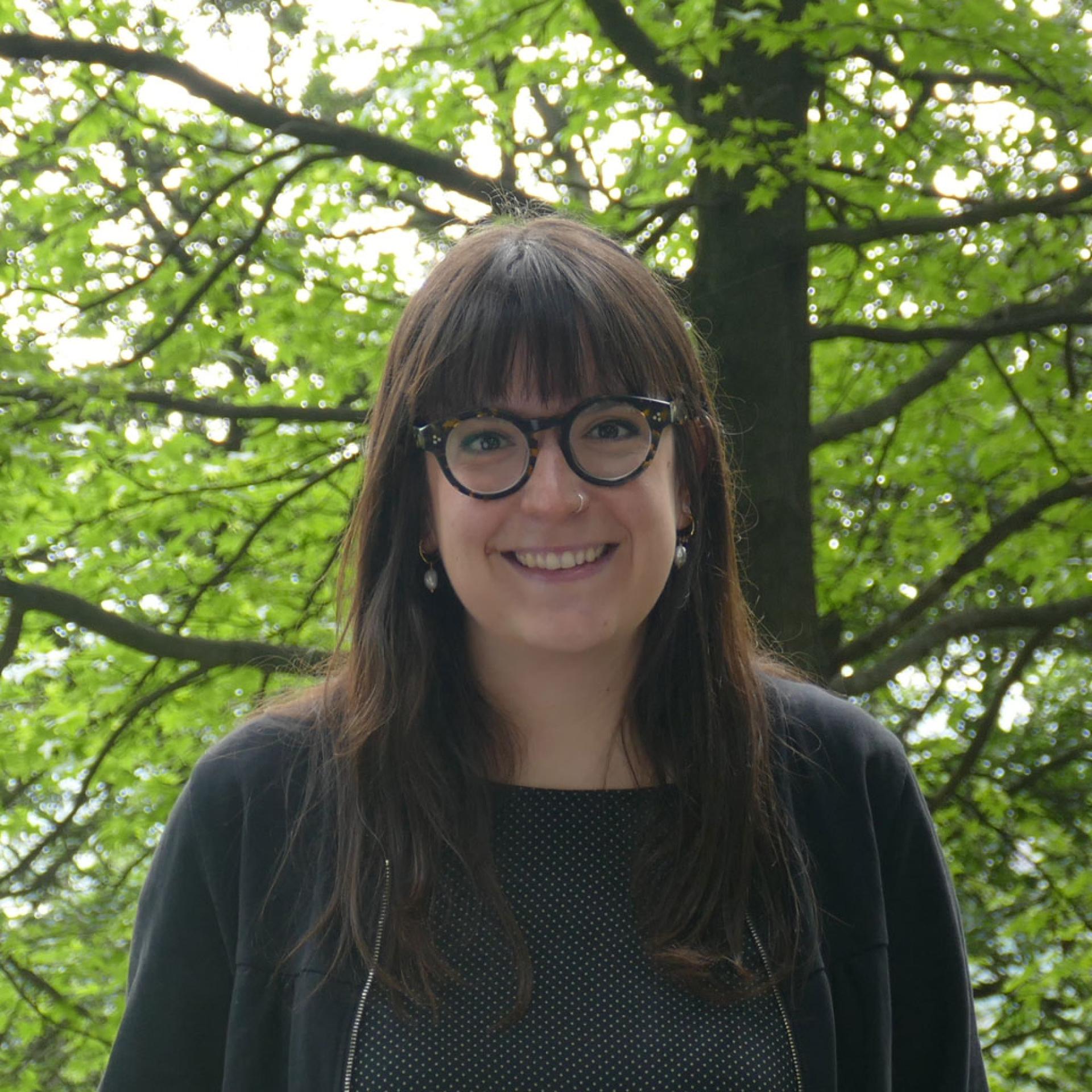
Silvia Rota
Silvia Rota is the co-coordinator of the Coffee Coalition at Slow Food International, an international network uniting individuals involved in coffee production, processing, and consumption. She specializes in community building and participatory processes, including the development of local Participatory Guarantee Systems (PGS) initiatives within coffee communities and other Slow Food groups worldwide.
Participatory Guarantee Systems (PGS) are a quality assurance method that Slow Food has been developing and implementing since 2018 as an alternative or complementary approach to third-party certification. PGS initiatives are built on trust, active collaboration, social networks, and knowledge sharing. Since 2008, IFOAM (International Federation of Organic Agriculture Movements) has supported PGS initiatives for organic production globally, advocating for and promoting their adoption in partnership with like-minded organizations such as Slow Food.
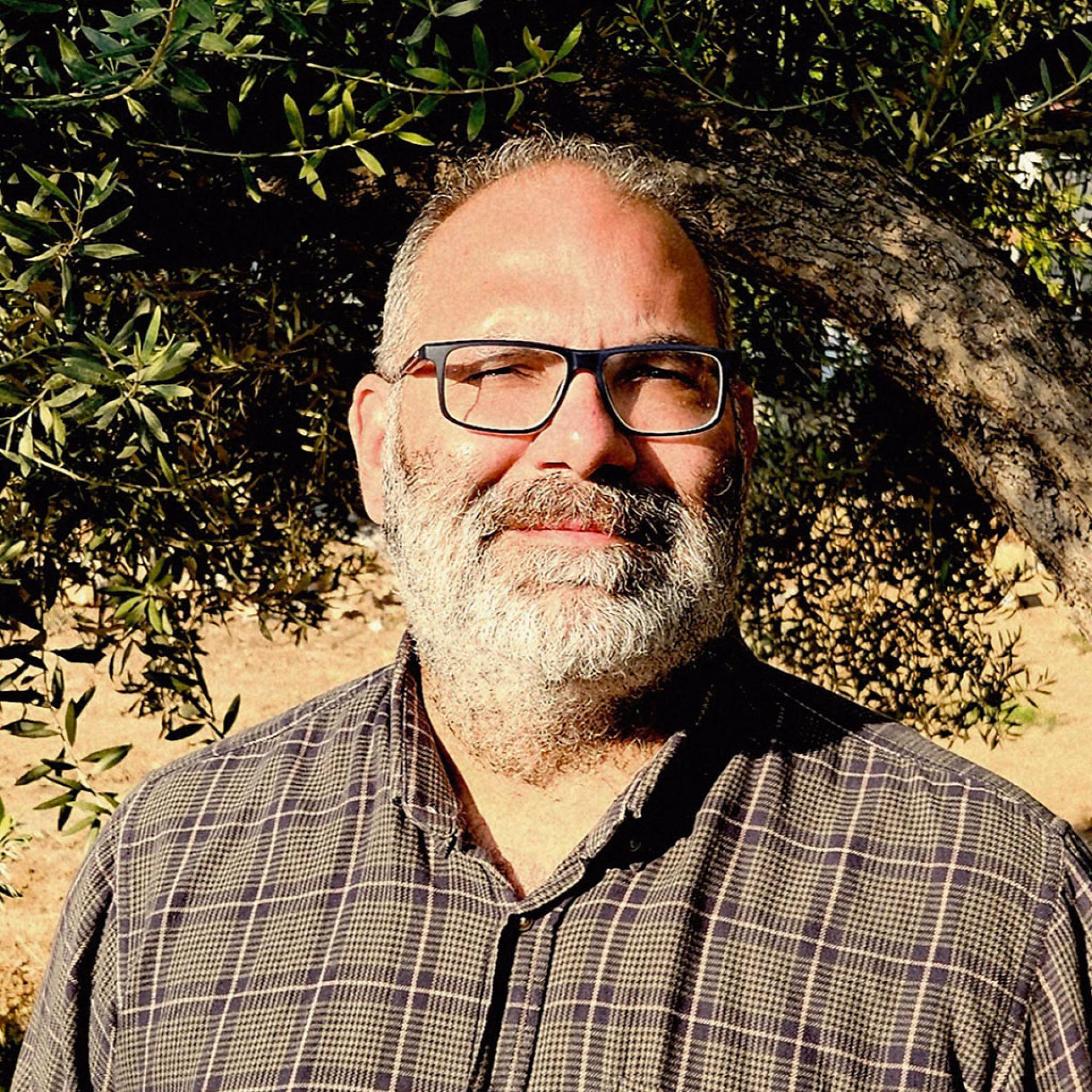
Itri Levent Erkol
Itri Levent Erkol, a partner at Proje Evi Cooperative, is a nature conservation specialist working in spatial ecology and nature-based solutions. Pursuing his Ph.D. in Conservation Biology at Adnan Menderes University, Erkol focuses on creating resilient socio-ecological landscapes capable of withstanding climate change, biodiversity loss, and land-use transformations.
Erkol contributed to developing participatory restoration models for governing over 100,000 hectares of socio-ecological landscapes across the South Caucasus—from the Vayots Dzor mountain corridors in Armenia to the Kakheti Steppes and the Iori Basin in Georgia. Within Anatolivar—an initiative treating the olive ecosystem (Oliverse - Zeytinâlem) as a holistic system—he works to reshape the olive-growing paradigm using a science-based, policy-oriented, and participatory approach. His efforts aim to establish multi-layered participatory governance models that enhance the socio-cultural well-being of small- and medium-scale olive producers while preserving the ecological integrity of socio-ecological systems that serve as vital carbon sinks and refuges for priority conservation species.
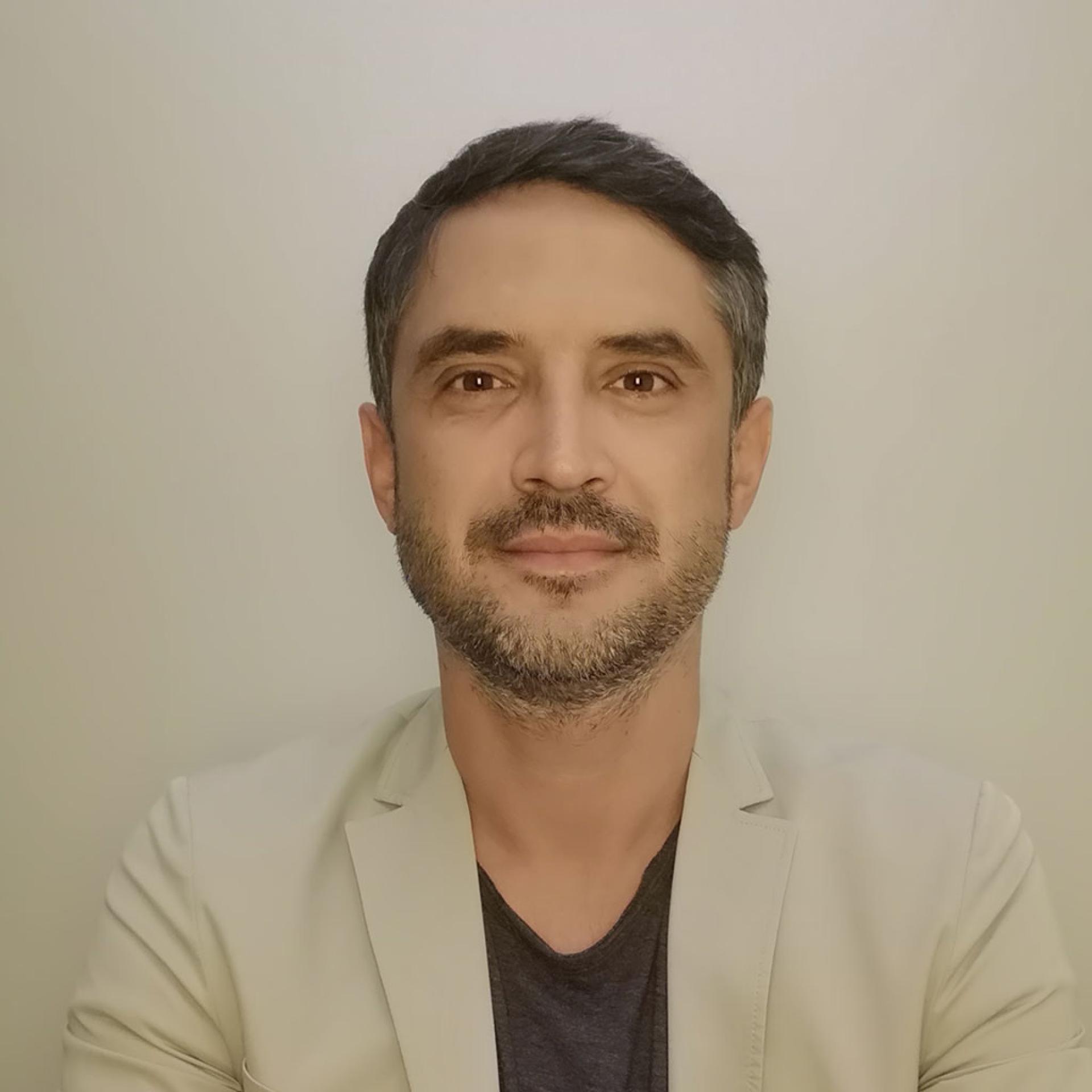
Ferdi Akarsu
Ferdi Akarsu is a biologist and green transformation expert specializing in environmental sustainability and green transition across national and international non-governmental organizations, the private sector, and public institutions. Working with the İzmir Planning Agency for the past two years, Akarsu has served on IUCN commissions for nearly 20 years and consults on strategic conservation planning projects under agencies such as FAO, UNDP, and IOM.
Through FAO and IPARD frameworks, he contributes to agricultural transformation processes in Central and Southeastern Anatolia. Additionally, through Proje Evi Cooperative (where he is a partner) and the ANATOLIVAR Project, he provides consultancy on biodiversity-friendly agriculture and ecological added value for agroecological olive initiatives across the Marmara, Aegean, and Mediterranean regions. Centering his expertise on environmental and sectoral green transformation, biodiversity, and threatened natural areas, Akarsu reached a broad audience through his 2020 book, Green - Sustainable Life and Climate.
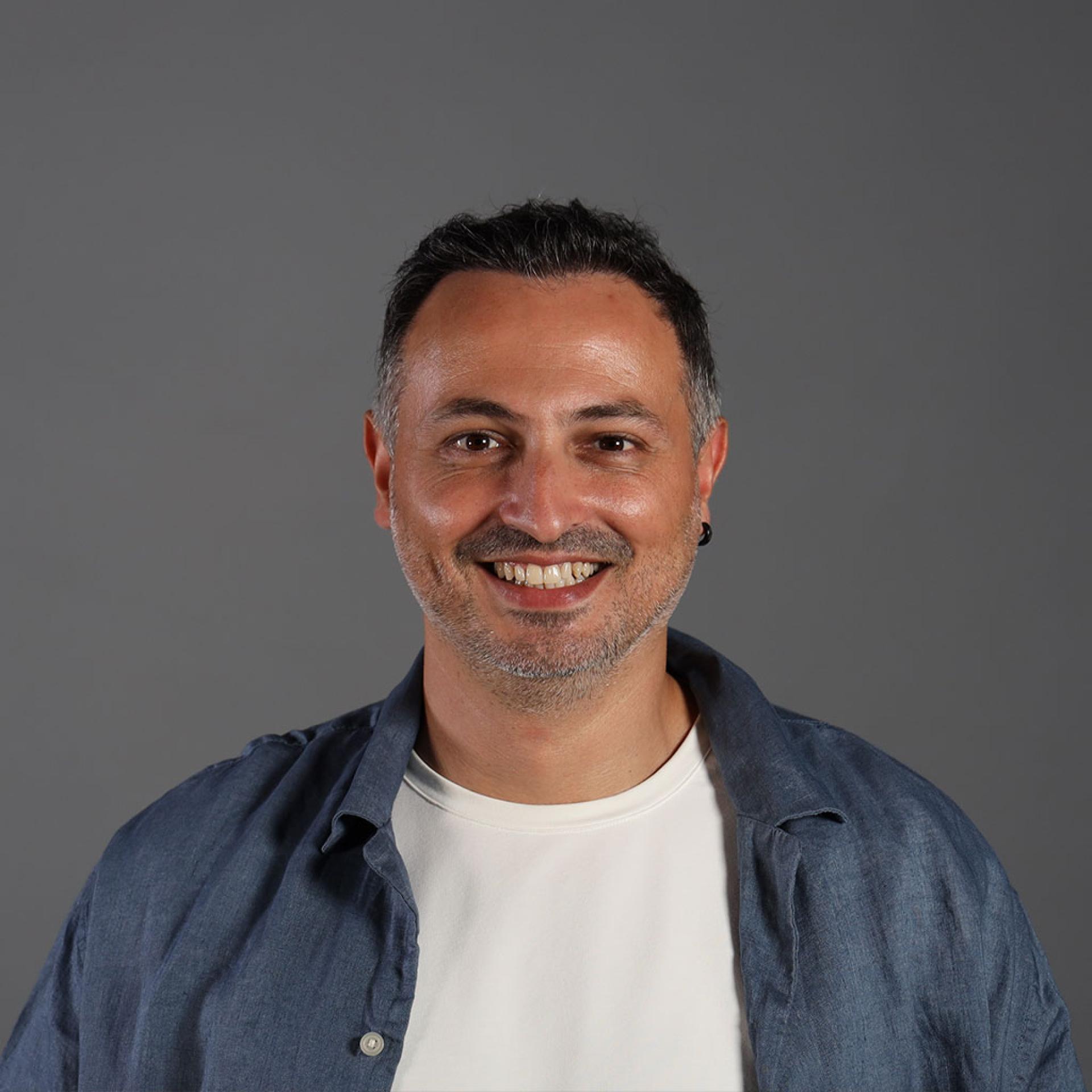
Orkun Doğan
Orkun Doğan is an economist and researcher working at the intersection of local and rural development, agri-food systems, the climate crisis, and cooperatives. As a social and solidarity economy expert at the Özyeğin University Sustainability Platform, he designs and manages projects that scale social impact through academia–civil society–public sector collaborations focused on local economic development. As a founding partner of the Yerküre Local Studies Cooperative, Doğan takes an active role in project coordination, field research, data analysis, and monitoring/evaluation processes. He also offers advisory services and training in cooperativism, blending practical experience with research across producer organization, local value chains, and just transitions.
To him, olives are not merely a research subject, but a way of producing through learning. He complements his academic background in agriculture with hands-on field experience through his family's olive and olive oil production. Driven by an "insider’s" curiosity, he works on conserving local varieties, agroecological methods, and the resilience of producer communities. On Anatolivar’s Olive Atlas expert panel, he contributes to raising the profile of local and rare varieties and scaling fair, eco-friendly best practices across the olive and olive oil value chain.
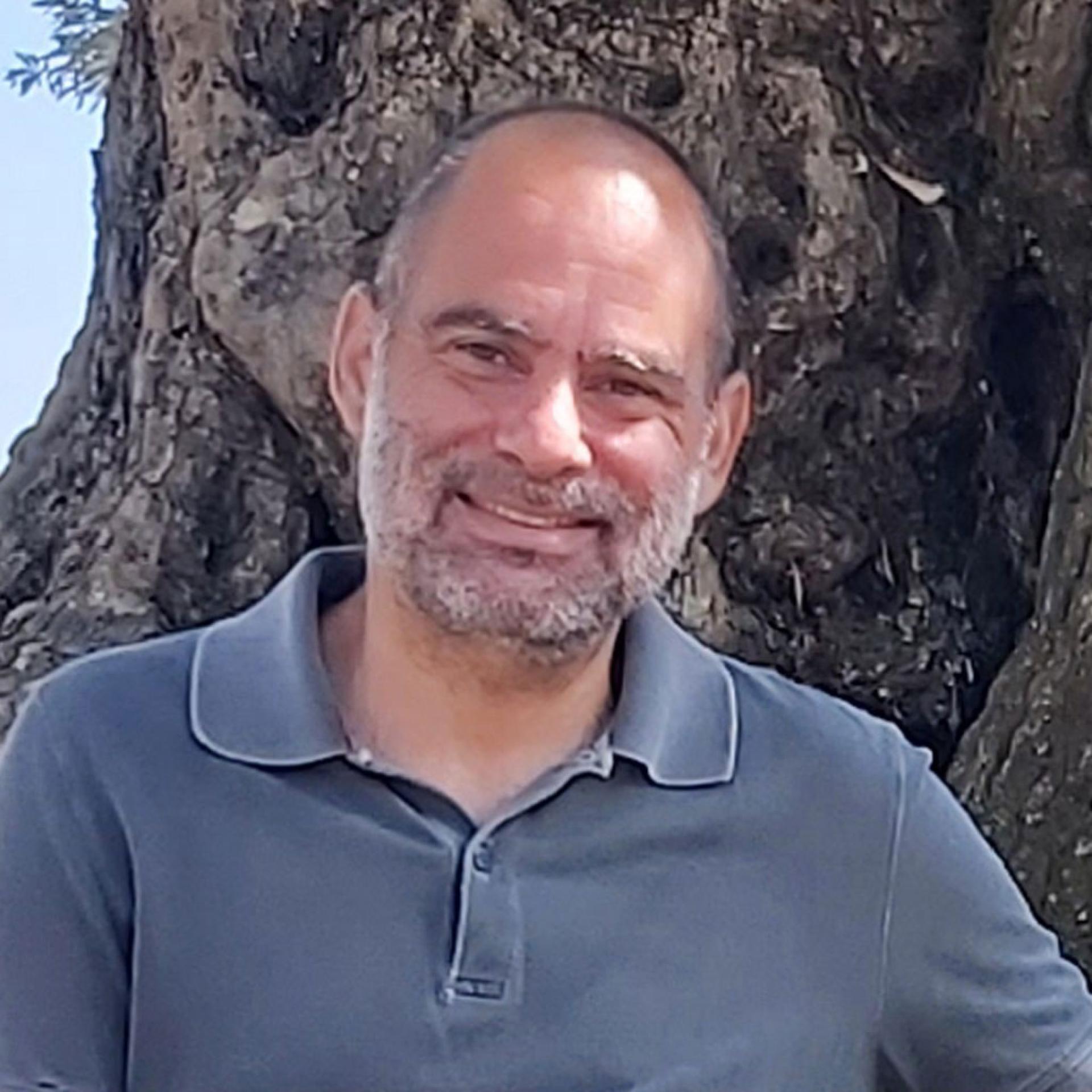
Alen Mevlat
Since 2013, Alen Mevlat has worked alongside producers within the Slow Food movement to promote good, clean, and fair food while preserving traditional knowledge. He lives on İdamera Farm, an ecological small-scale family farm in the Northern Aegean, where he continues to gain hands-on experience in eco-friendly production methods. Believing that nature conservation is only possible through the active participation of local, eco-conscious producers, he works to sustain systems where farming activities contribute to species and biodiversity protection.
As of 2024, under the Anatolivar Project led by the Proje Evi Cooperative, he works on the Olive Atlas—a initiative documenting Anatolia’s rare olive varieties, monumental olive trees, and good, clean, and fair olive producers.

Ümmühan Tibet
After graduating from Ege University’s Department of Chemical Engineering, Ümmühan Tibet began her career at the Tariş Olive and Olive Oil Union. Between 1975 and 1995, she served as Production and Quality Manager across the Refinery, Soap, Table Olive, and Laboratory departments. In 1984, she established a quality control system that was the first in the olive oil sector to routinely utilize advanced analytical techniques such as Gas Chromatography (GC) and High-Performance Liquid Chromatography (HPLC). In 1989, she completed Panel Leader training for the Sensory Evaluation of Extra Virgin Olive Oil in Italy, becoming Türkiye’s first internationally certified panel leader. Since then, she has participated in all training programs organized by the Madrid-based International Olive Council (IOC). Beginning in 1990, she launched in-house olive oil quality and sensory tasting training sessions in Turkey to train experts capable of conducting sensory evaluations and quality control.
Between 1996 and 2009, she founded Egeanaliz Private Food Laboratory to perform international-standard analyses of olives, olive oil, vegetable oils, and oilseeds. Since 2000, she has represented Türkiye on the International Olive Council (IOC) Chemistry Experts and Sensory Experts Groups.
Organizing training programs to educate expert tasters since 1999, Tibet formed Türkiye's first Olive Oil Tasting Panel. In 2007, she was elected to the founding Board of Directors of the National Olive and Olive Oil Council (UZZK), where she currently serves as a board member, having served as Board President from 2013 to 2021. In 2009, she established the UZZK Sensory Tasting Laboratory, the first laboratory in Türkiye to receive official recognition by the International Olive Council (IOC). Additionally, she served for many years as a juror for the IOC Mario Solinas Quality Award, the world's most prestigious extra virgin olive oil quality competition.
Between 2011 and 2016, she taught "Olive and Olive Oil Culture" at the İzmir University of Economics School of Culinary Arts. She completed her Master’s degree at Ege University’s Faculty of Food Engineering in 2019 and her Ph.D. at Manisa Celal Bayar University in 2025. Tibet has presented papers at numerous national and international symposia, seminars, panels, and workshops, delivered training courses, and published research in respected international scientific journals. She continues to provide consultancy and training services to various private and public institutions.

Uygun Aksoy
Prof. Dr. Uygun Aksoy specialized academically by receiving her undergraduate education from the Department of Horticulture at Ege University’s Faculty of Agriculture. Having worked for many years in horticulture, product quality, and agri-food systems, Aksoy plays a pioneering role in expanding organic and sustainable agricultural practices. She contributes to numerous projects by drawing on her academic knowledge and sectoral experience.
Active in various professional organizations, Aksoy has received numerous awards and authored or edited around 250 publications, book chapters, and books in national and international peer-reviewed journals. She organizes seminars, conferences, and training programs nationally and internationally to advance sustainable agri-food systems, promote organic production, train trainers, and educate farmers. Currently serving as the President of the Board of Directors of the Organic Agriculture Organization Association, Aksoy is also a certified organic olive producer.
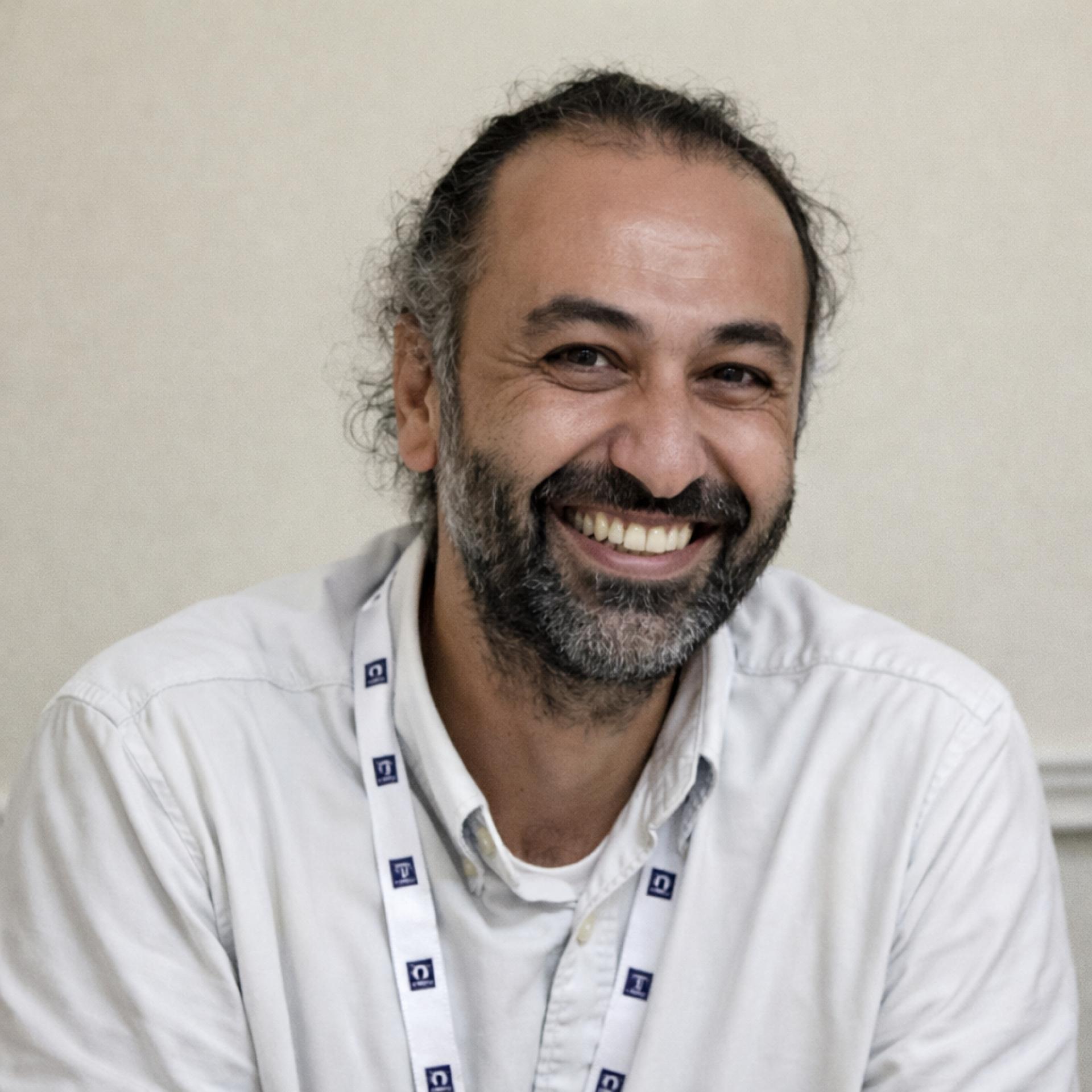
Fatih Özden
Having completed his undergraduate and graduate studies in the Department of Agricultural Economics at Ege University’s Faculty of Agriculture, Fatih Özden currently works as a research assistant in the same department. His fields of study include rural development, agricultural policies, alternative agri-food systems, agroecology, and food sovereignty. His academic work focuses on sustainable agriculture, empowering smallholders, rebuilding local food systems, and the political economy of agroecological transitions.
Özden is among the co-editors and authors of the book Agroecology: Another Agriculture is Possible, published by Metis Publishing. Additionally, he serves as an editor for the "Critical Agri-Food Series" published by NotaBene Publishing and translated its inaugural book, Agroecology: Science and Politics by Peter Rosset and Miguel Altieri, into Turkish.
Alongside his academic work, Özden actively participates in democratic mass organizations and NGOs.
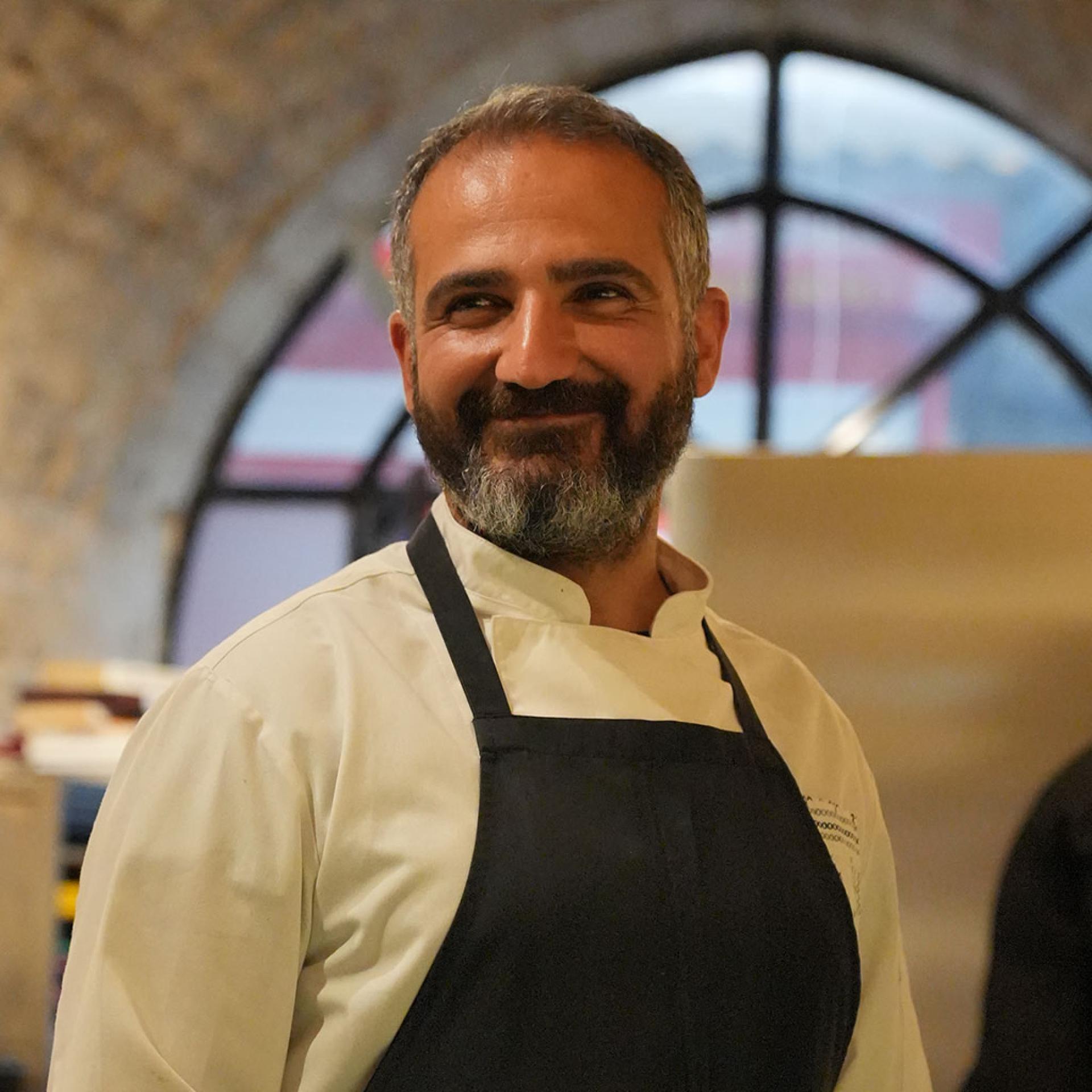
Gökhan Çilak
Gökhan Çilak is a chef whose work focuses on local production, seasonality, and sustainability. He began his professional culinary career in London, and throughout his work experience spanning from Istanbul to Şanlıurfa, he has focused on the relationship between food, soil, culture, and producers. Centering his approach on Slow Food values, zero-waste kitchen principles, and regenerative culinary practices, he places high importance on the visibility of traditional products and local producers.
Bediz Yılmaz
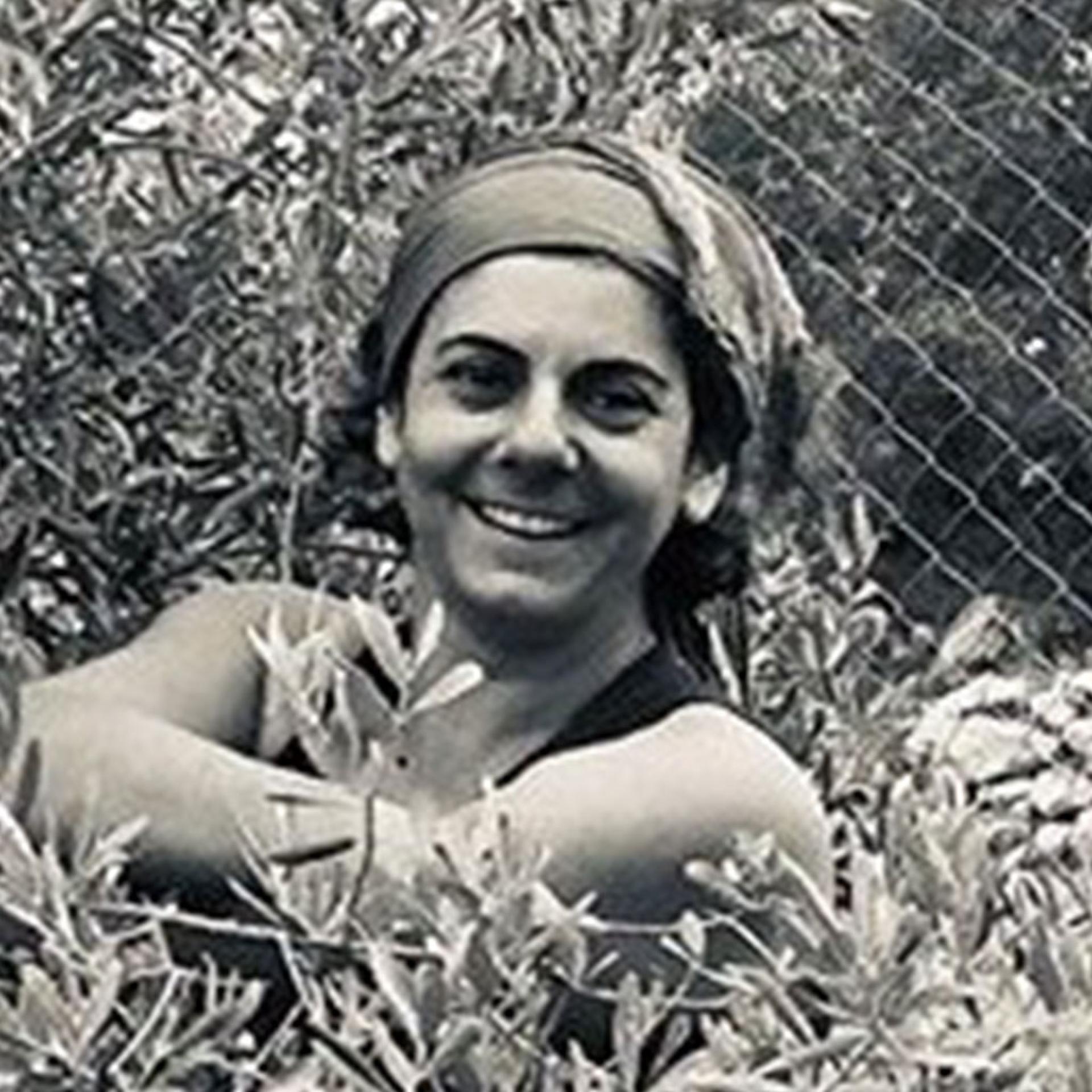
Bediz Yılmaz carried out agroecological olive cultivation on the slopes of the Taurus Mountains in Mersin and produced annual vegetables through a Women's Cooperative in an urban area, during which she also conducted training on composting. Her produce was featured at the Slow Food Tarsus Earth Market, and she completed the "Olive Oil Tasting Training" organized by Slow Food Tarsus.
She currently practices urban agriculture at the historical Piyalepaşa Market Garden (Piyalepaşa Bostanı) in Istanbul. She moderates the Fair Food Community created under the Postane initiative. At Postane, alongside Evren Yıldırım, she delivers the Ecological Life Guide for the New Urbanite training. Within the framework of the EcosySTEM Project run by IDEA Universal (International Development and Environment Association), she teaches "Soil and Waste" courses to primary and secondary school students. Following the 2023 earthquakes, building on her "Transformation of Zeytun Children and Living Space into an Ecological Park Project" in Antakya, she co-authored the guide Living Parks: Parks as the First Step in Rebuilding Life After Disaster with Evren Yıldırım.
She serves as an ecology consultant on various civil society projects, authoring articles and reports on the subject. The book The Istanbul of Market Gardens (Bostanların İstanbul'u), co-edited with Suna Kafadar and Kiraz Özdoğan, will be published by Everest Publishing in 2026. Yılmaz is a devoted advocate for vermicomposting.